


Get Bitculator on Android
Marketcap:
$1,932,902,784,075
Volume 24h:
$209,175,082,222
Jun 06 Liquidations:
$0
24H Long/Short:
Coming soon
Scarcity
What does Scarcity mean in crypto terms?
Scarcity in cryptocurrency refers to the limited availability of a coin or token.
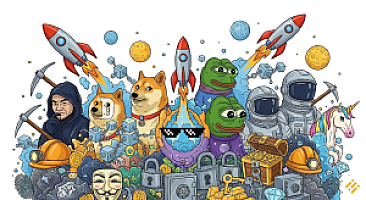
What is Scarcity?
Scarcity is when an asset has limited availability compared to what people want. In crypto, it usually means there’s a cap on how many coins can ever exist, or the supply grows slowly. Think fewer wristbands at the concert than fans at the gate.
“If supply is small, price must moon.” Not quite. Scarcity needs demand, fair distribution, and trust in the rules, or it’s just an empty flex.
How Scarcity works
Here’s the simple run-through you’d sketch on a napkin.
- Step1: Rules set the supply schedule and any caps.
- Step2: Some chains lock in a Fixed Supply, so everyone knows the ceiling from day one.
- Step3: Demand shows up. With limited coins available, competition rises, and price discovery gets lively.
- Step4: Issuance can slow over time, making new units rarer.
- Step5: Secondary effects kick in: long‑term holders remove supply from markets, and liquidity matters more.
That’s the story: rules, demand, and time doing their thing.
Why Scarcity Matters
You care because it shapes value and vibes. Money stuff meets culture.
- Benefit: Lower dilution risk when a project publishes a clear maximum supply limit.
- Perspective: Scarcity can be real or marketed; memes and narratives can amplify it, for better or worse.
- Relevance: You’ll see it in tokenomics pages, DAO treasuries, staking rewards, and NFT drops.
Before you buy, check emission schedules, unlock calendars, and who holds the top wallets. Scarcity on paper can get swamped by big unlocks.
Key Characteristics of Scarcity
The traits that actually matter when you’re scanning a project:
- Cap: A hard ceiling creates predictability and keeps dilution in check.
- Issuance: How fast new units appear affects future supply and incentives.
- Burn: Mechanisms like Token Burn can reduce circulating supply over time.
- Distribution: Wide ownership helps markets feel fair and liquid.
- Credibility: Rules only matter if the community trusts they won’t change on a whim.
Variations
Scarcity isn’t one flavor. It comes in a few styles:
- Hard: A fixed cap that never changes, simple and transparent.
- Programmed: Supply growth that slows on a schedule, like periodic reductions in rewards.
- Perceived: Hype or branding creates the feeling of rarity even when supply is ample.
- Inflationary: Some designs add new units forever, which can still hold value if demand rises with Inflationary Supply.
Scarcity can create upward pressure on price, but only if people actually want the asset and can trade it easily.
Example
Bitcoin’s 21 million cap means every halving slows new issuance, sharpening perceived scarcity while miners, holders, and traders rebalance.
Fun Fact
Streetwear drops taught a generation how limited supply drives lines around the block; NFTs borrowed that playbook and pushed it onto blockchains, Rolex meets Reddit threads.
Wrap-Up
Scarcity, in one line: fewer units, clear rules, real demand. If those three show up together, attention usually follows.
Explore Other Crypto Terms
Did you find this term clearly defined?
Did we forget anything?
Your input helps us keep things correct. Contact us if anything is incorrect or missing.
Contact