

Get Bitculator on Android
Marketcap:
$1,945,158,747,004
Volume 24h:
$224,946,532,010
Jun 06 Liquidations:
$0
24H Long/Short:
Coming soon
Token
What does Token mean in crypto terms?
A token is a type of digital asset that is created, issued, and managed on a blockchain.
What is Token?
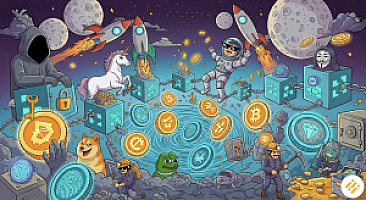
Token refers to a digital unit issued by a smart contract that represents value, access, or rights on a blockchain. Think of it like a wristband at a festival: it proves what you can do or claim, and no one at the gate needs your ID.
“Tokens are just mini Bitcoins.” Not quite. Coins are native to a chain, while tokens usually run on top of an existing chain and can represent way more than money, like access, votes, art, or in game items.
How Token works
Picture a team launching an app that needs in app currency and voting rights. Here is how it plays out, start to finish.
- Create: A developer deploys a smart contract that sets Token rules and supply. On Ethereum, most fungible assets follow the ERC-20 standard.
- Mint: The contract issues units to the treasury, team, early users, or a sale wallet.
- Send: You transfer some to a friend. The contract updates balances and records the move on chain.
- Use: Maybe it unlocks features or proves ownership of a digital item. Non fungible assets often use ERC-721.
- Earn: Some networks let holders stake and earn periodic payouts called staking rewards.
Simple enough. Code sets the rules, the chain keeps score.
Why Token Matters
Here is why you should care, even if you are not a dev:
- Benefit: Programmable money and access in one package, tradable in minutes.
- Perspective: Tokens let communities run their own economies and vote. A well known example is MakerDAO's MKR, which gives holders a say in risk parameters.
- Relevance: You will meet them in dapps, DAOs, games, social tokens, and even event tickets.
Always confirm the contract address before you buy or send. Same name does not mean same asset.
Key Characteristics of Token
The traits that make it different from regular app points:
- Programmable: Rules live in code, so issuing, burning, or voting can be automated.
- Portable: You can move it across wallets and apps that support the same standard.
- Transparent: Supply, transfers, and contract logic are public and auditable.
- Composible: Other apps can plug into it, like DeFi pools or games.
Variations
Not all tokens act the same. Quick tour:
- Fungible: Every unit is identical, like a balance in your wallet.
- Nonfungible: Each unit is unique, used for art, tickets, or game items.
- Governance: Lets holders vote on parameters and proposals.
- Utility: Grants access to features or discounts in an app.
- Stablecoin: Aims to track a reference value like a dollar.
- Security: May represent an investment contract and fall under securities rules in some places.
Sending a token on Ethereum still needs ETH for gas. Price and utility can change, but transaction fees are always paid in the chain’s coin.
Example
You buy a game skin, get a non fungible token in your wallet, then trade it later on a marketplace without asking the game studio for permission.
Fun Fact
The word token traces back to Old English tacen, meaning sign or symbol. Fancy etymology for something that now buys you a Discord role.
Wrap-Up
If it moves value, access, or voting through code that anyone can verify, you are looking at a token doing its job.
Explore Other Crypto Terms
Did you find this term clearly defined?
Did we forget anything?
Your input helps us keep things correct. Contact us if anything is incorrect or missing.
Contact