


Get Bitculator on Android
Marketcap:
$1,949,474,730,593
Volume 24h:
$209,798,866,754
Jun 06 Liquidations:
$0
24H Long/Short:
Coming soon
Decentralized
What does Decentralized mean in crypto terms?
A Decentralized system refers to a structure where control and decision-making are distributed across a network.
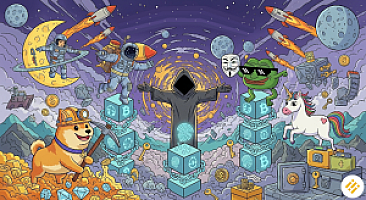
What is Decentralized?
Decentralized means no single boss runs the system. Control is shared across many independent participants who follow agreed rules. Picture a group project where everyone can check the work and no one can quietly change the grade.
“Decentralized means no rules.” Not quite. The rules exist, they are just public and enforced by many rather than one gatekeeper.
How Decentralized works
Imagine you send a token to a friend. No company approves it. The network does.
- Step 1: You broadcast a transaction to a public network.
- Step 2: Nodes record and sequence it on a shared blockchain.
- Step 3: Independent participants verify it using a consensus method.
- Step 4: The record is stored by many machines, so no single point of failure.
- Step 5: Your friend receives the token, and anyone can audit the history later.
Simple idea, powerful outcomes.
Why Decentralized Matters
You want more control and fewer chokepoints. That is the appeal.
- Benefit: Fewer gatekeepers, more ownership, and often lower fees.
- Perspective: It flips the script on Centralized platforms where one entity sets the rules and can change them on a whim.
- Relevance: You will meet it in finance apps, creator tools, and online communities that run by code.
When someone says Decentralized, ask three things: who can change the code, who holds the keys, and how many independent operators keep it running.
Key Characteristics of Decentralized
These traits show up again and again:
- Open: Anyone can join, verify, or build without asking permission.
- Transparent: Activity is logged on public records that are easy to audit.
- Resilient: No single machine or admin can shut it off for everyone.
- Censorship: Strong Resistance to Censorship since control is shared across many operators.
- Governance: Changes happen through proposals and votes, not quiet switches.
Variations
Different corners of crypto express decentralization in their own ways:
- Networks: Open participation where validators or miners keep the ledger honest.
- Governance: Communities make on chain decisions through Decentralized Autonomous Organizations (DAOs).
- Storage: Files and data spread across many nodes rather than one server farm.
Decentralization is a spectrum. Projects can start with training wheels like admin keys, then reduce them over time. Do not assume it is all or nothing.
Example
You swap tokens through Decentralized Finance (DeFi) where smart contracts match your trade without calling a bank.
Fun Fact
Before crypto made it trendy, peer to peer file sharing showed how spread out systems can outperform a single server when lots of people pile in at once.
Wrap-Up
Short version: shared control, public rules, fewer gatekeepers. That is the point.
Explore Other Crypto Terms
Did you find this term clearly defined?
Did we forget anything?
Your input helps us keep things correct. Contact us if anything is incorrect or missing.
Contact